
Reimea · 18 October 2026 · 4 min read
Illustrated synthetic scenario. This is not a customer case study, measured outcome or live deployment.
The starting point
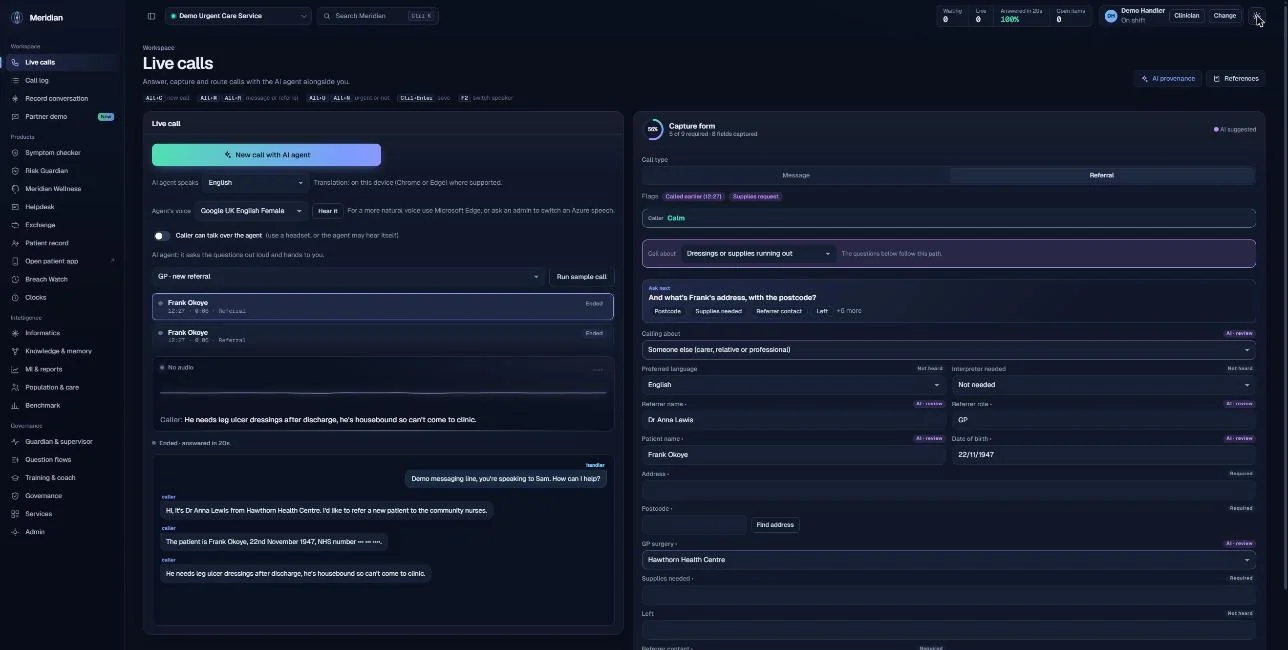
A fictional member of staff calls about a reception workstation that cannot sign in. The important facts are the affected device, service impact, reported error and the person who can confirm the issue. The goal is a complete request for the right support team.
Capture the report before interpreting it
Keep the caller’s report separate from the AI draft. A transcript can help a handler check what was said, while structured fields make the request easier to review. Missing information should remain visibly missing.
Use knowledge as a reference
A workstation checklist may suggest questions or a support queue. The handler still checks the source and whether it applies. A matching title alone is not evidence that every line of a generated suggestion is supported.
Review before handover
The handler accepts, edits or rejects the draft. If scope is uncertain, the next step is to confirm it. Rejection should leave a request for rework rather than creating an apparently approved handover.
What to measure
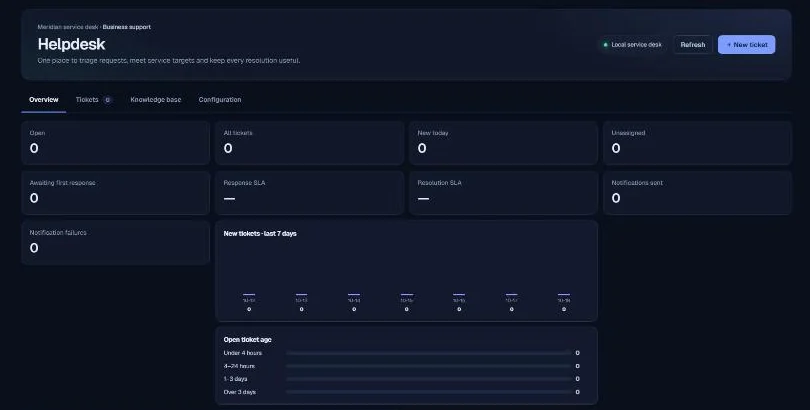
Compare end-to-end handling time including correction, required-field completeness, routing errors and reviewer effort. Sample difficult cases as well as easy ones. A faster draft is only useful if it makes the reviewed work better.
Try the guided version of this example, then use the pilot scorecard to define what success would mean for your team.